Digital Twins, Simplified: Your Guide to Building an Immersive Visualization Layer
October 7, 2025
The Industrial Revolution of a Digital Twin
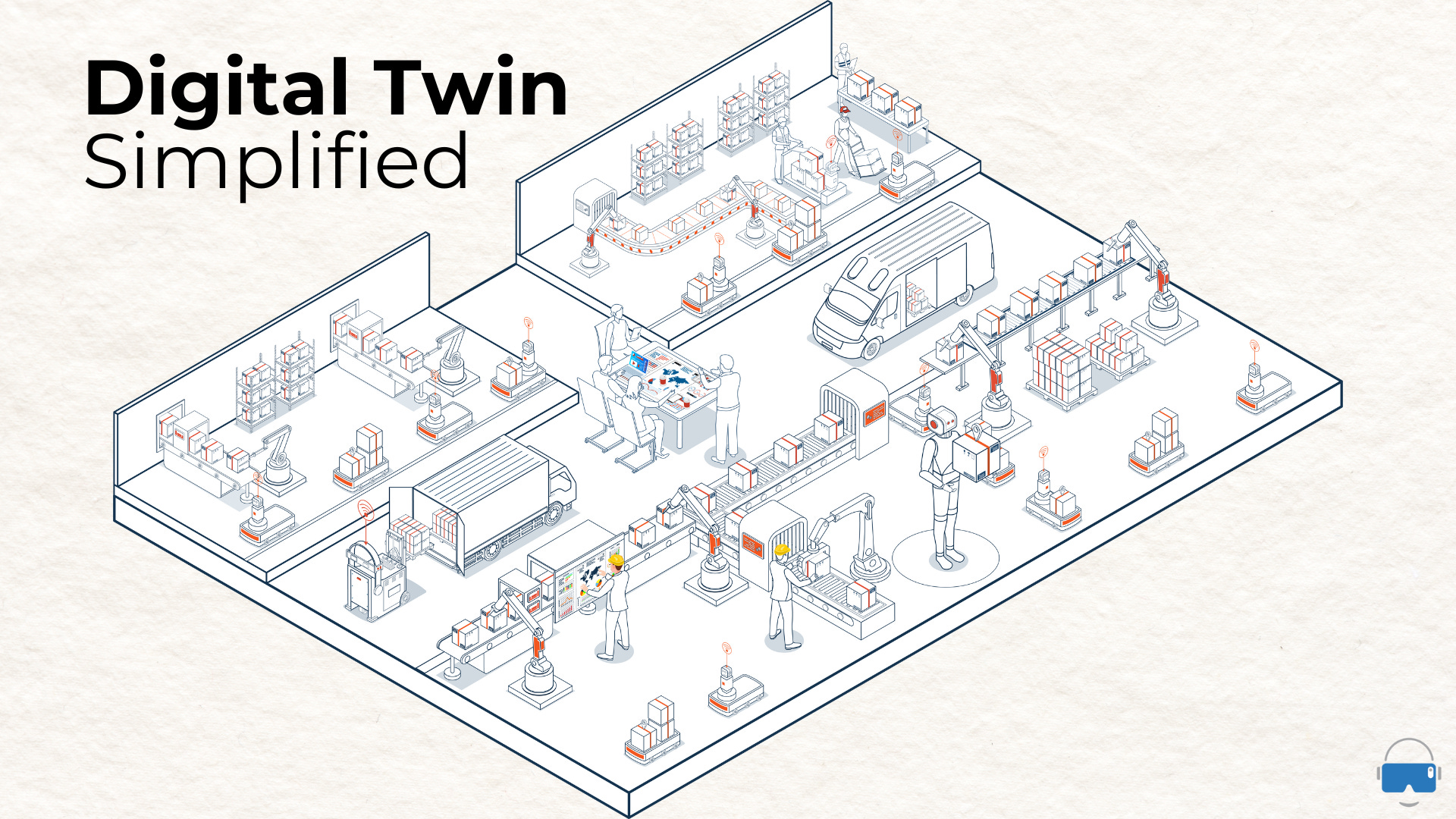
For decades, we have used blueprints, schematics, and 2D models to plan, build, and operate the world’s most complex industrial assets. Now, the digital twins are redefining what’s possible, promising a virtual replica of everything from a single manufacturing machine to an entire smart city. However, for many enterprises in the Industrial, Engineering, and Automotive sectors, the reality of implementing a digital twin remains complex and prohibitively costly.
The biggest challenge isn’t the technology itself, but what we call the “Reality Gap”. It’s the disconnect between the sophisticated data captured by the digital twin and the human professionals—the engineers, technicians, and sales teams—who need to understand and interact with it every day. This gap leads to slow decision-making, costly misinterpretations, and an inability to truly leverage the twin’s power.
Bridging the Reality Gap with an Immersive Visualization Layer
This is where we introduce a new mandate for manufacturing and design excellence. The digital twin is the engine, but Extended Reality (XR) visualization is the layer that makes it accessible, intuitive, and actionable for everyone.
Enterprises must move beyond dedicated, proprietary systems and adopt solutions built for modern workflow efficiency. Our approach focuses on:
Frictionless Adoption: Leveraging a single, unified platform that removes the need for complex software installations or proprietary hardware.
Universal Accessibility: Enabling the visualization of complex 3D data on widely available devices, ensuring cross-platform access for the entire global workforce.
Intuitive Interaction: Transforming static models into dynamic, collaborative, and interactive experiences that empower better communication and understanding.
By prioritizing this approach, we eliminate the key barriers to adoption that plague traditional enterprise XR implementations.
The ROI of a Simplified Digital Twin
An immersive visualization layer is not a luxury—it is a critical tool for driving measurable business outcomes. For companies looking to leverage digital twins, this is where the real Return on Investment (ROI) is found:
Accelerated Decision-Making: We have helped clients achieve an 80% reduction in time saved on plant and factory tours. By making complex facility layouts instantly shareable and viewable, decisions about expansion, maintenance, and logistics are made faster, leading to substantial time and cost savings.
Enhanced Training and Onboarding: For complex machinery, immersive visualization tools allow trainees to practice with a perfect digital replica, which provides a 40% reduction in overall training time and makes them 4X more confident in their skills. This is essential for safety-critical industrial environments.
Reduced Costs: Our solutions allow for the collaborative review of complex prototypes and machinery designs without the need for expensive, time-consuming physical models, streamlining the R&D cycle.
The reason we are able to deliver these results is our foundational methodology. Our solutions are not just visual; they are built on the STEP Framework—a peer-reviewed approach published in the International Journal of Innovative Technology. This ensures our immersive experiences are engineered for maximum cognitive engagement, retention, and tangible learning outcomes.Conclusion: Unlock the Full Potential of Your Digital Assets
The future of Industry 4.0 is not just about building digital twins; it’s about making them a tangible, collaborative tool for the entire workforce. For organizations ready to bridge the Reality Gap, GRAHAs VR ® provides the key to unlocking the full potential of your digital assets.
Stop just collecting data. Let your people experience it.
Is your organization ready to build a world-class visualization layer?
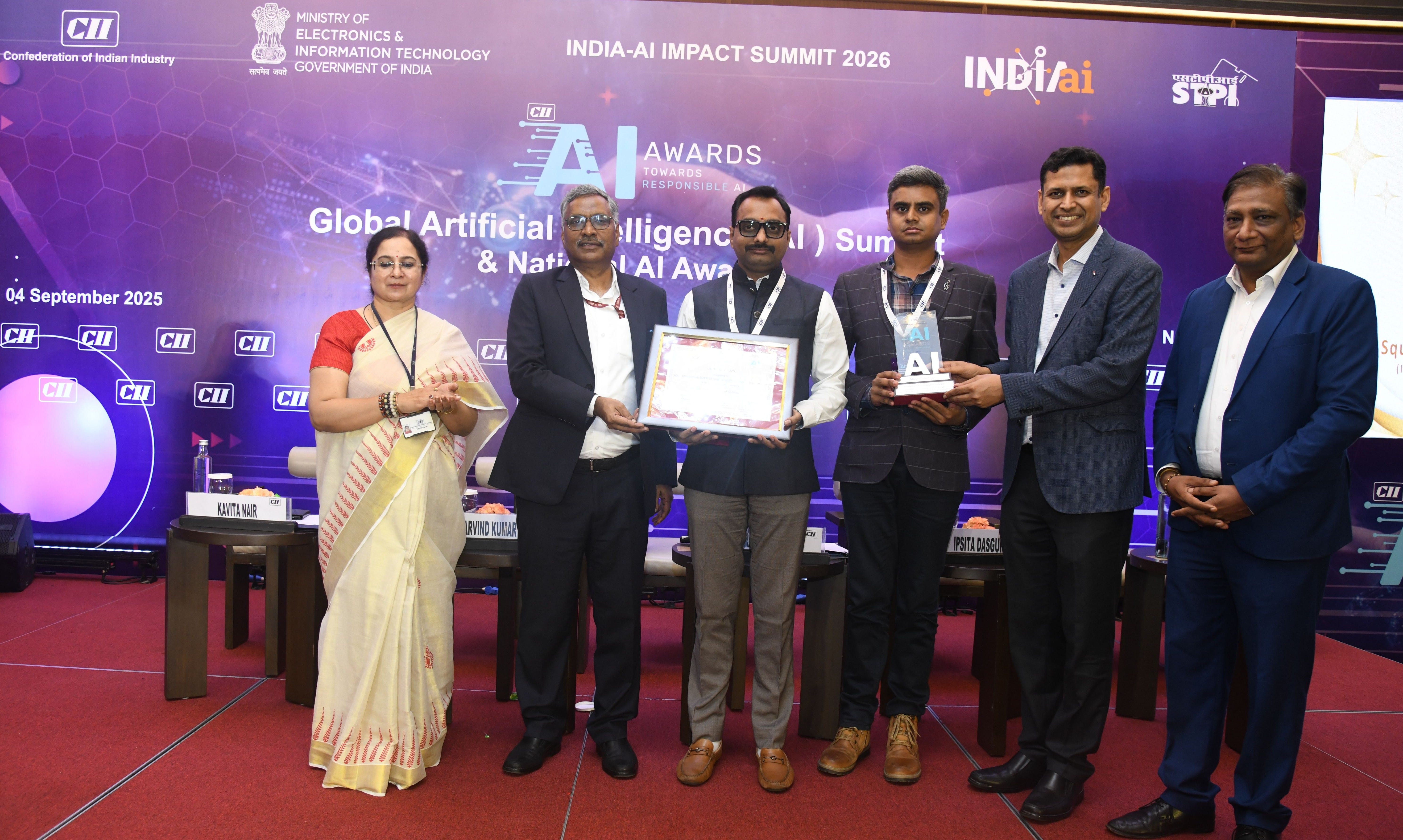
Last month, we were awarded under the “Most Innovative” category for “Excellence in Best AI Solution Showcase” in the prestigious CII AI Awards.
Thanks to IIT Mandi - iHub & HCI Foundation, our team, clients, mentors, advisers for making this happen for us.